
Why a founder's life is more than her business story
The common founder biography moves quickly from an idea to a polished achievement. It often omits the repeated starts, negotiations with family time, loneliness, doubts and relationships that make decisions possible. Searching for real stories of women entrepreneurs is often a wish to understand those hidden parts, not just collect another list of marketing tactics.
A good account makes the work concrete without reducing the woman to productivity. It explains why she chose a path, who helped her, what she learned, and what happened when plans changed. That is why community stories can be more memorable than a generic guide to building a company.
What does business look like behind the story?
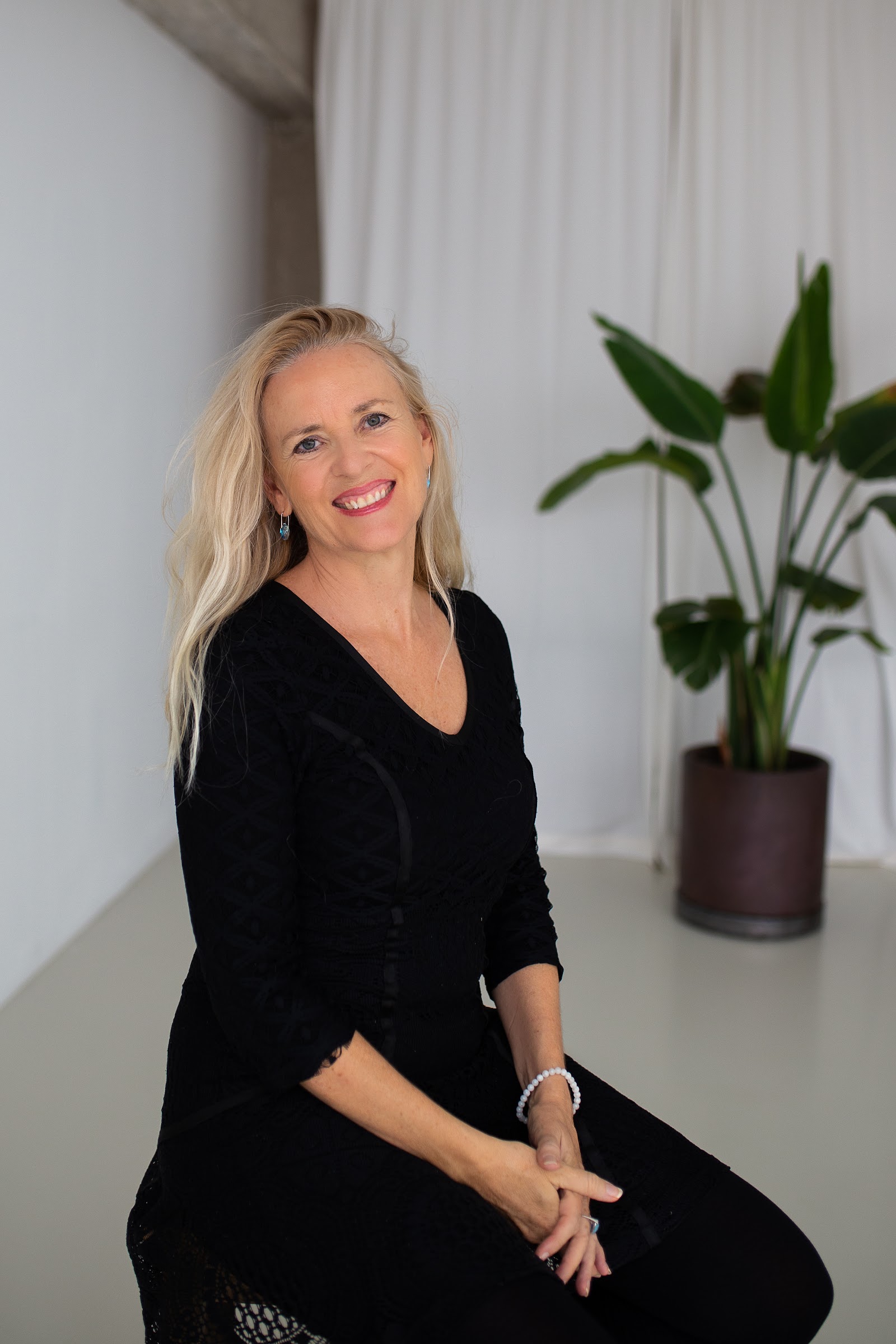
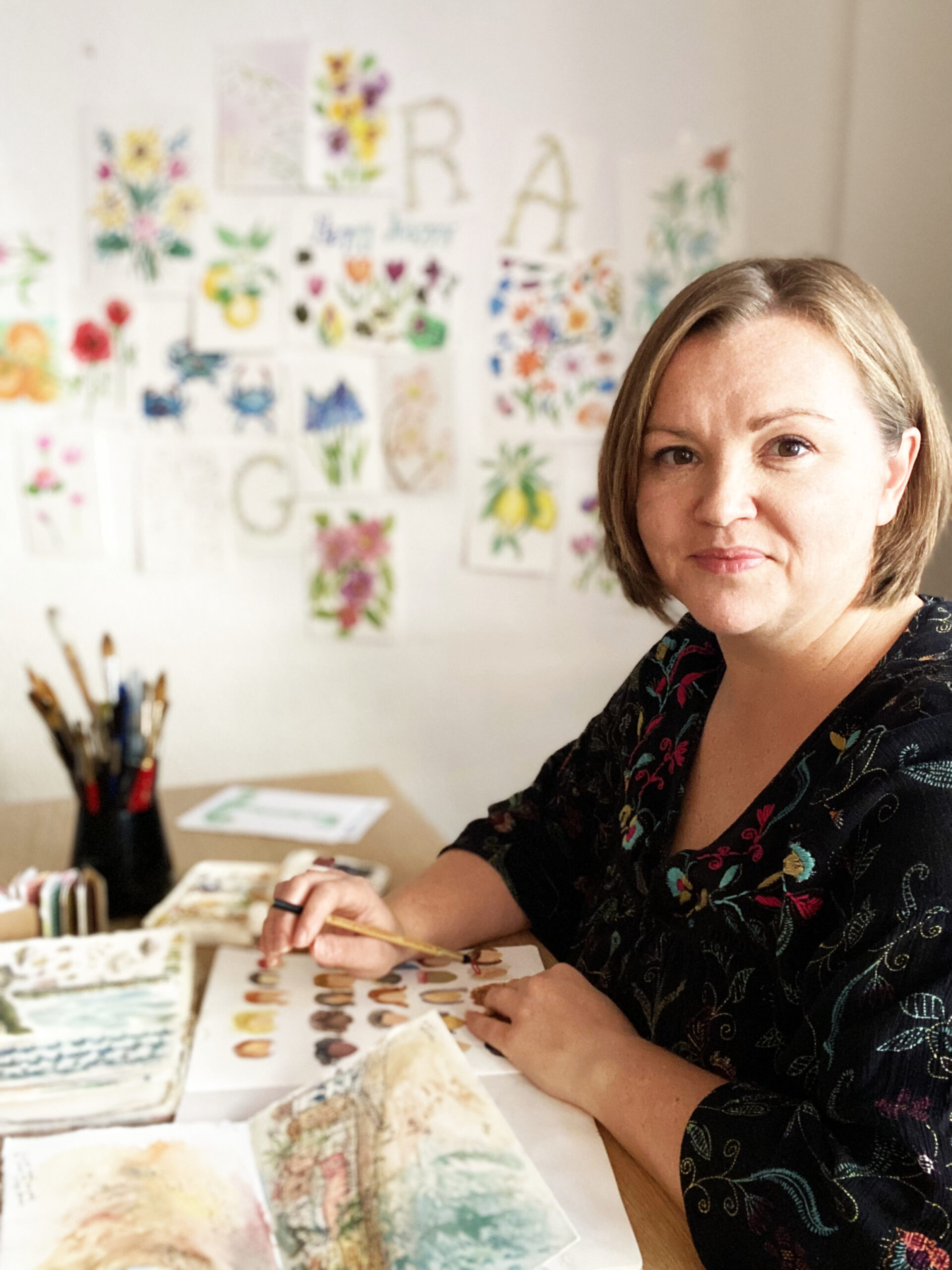
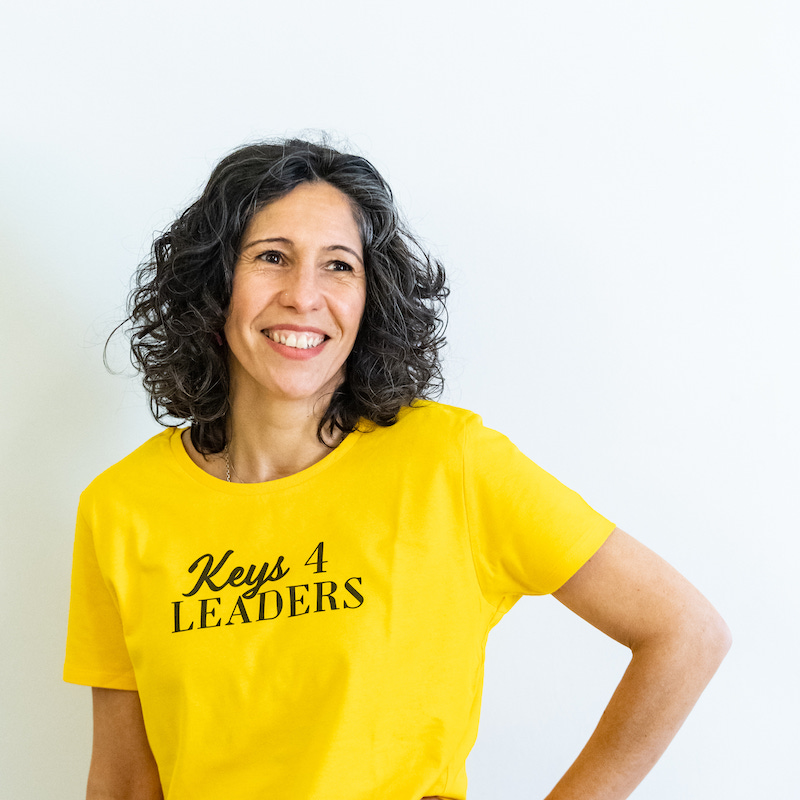
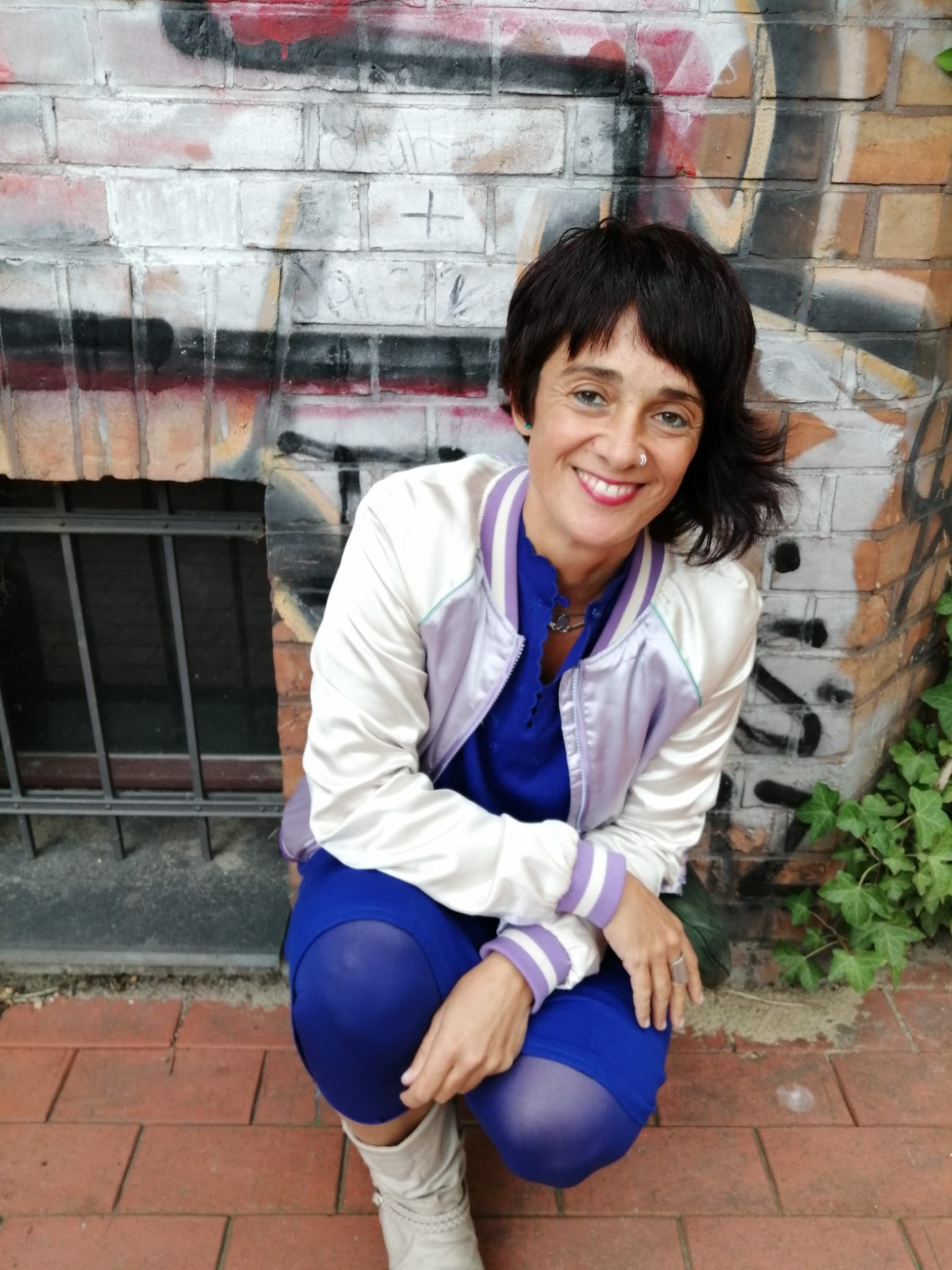
The Connections books make room for work, family life, creative decisions and what a supportive network can mean. Meet contributors individually rather than treating them as interchangeable entrepreneurs or using their experiences as promised outcomes.
Pick the right format for your stage
A handbook can help you compare tactics or organise a launch. An interview may give you one concrete decision or mistake to examine. A memoir offers depth and hindsight from one life. An anthology lets you encounter several perspectives in a relatively short reading session.
If you are researching women entrepreneurs in Barcelona, begin with local first-party profiles and community organisations. If you are looking for motivation because your own life and business feel difficult to combine, consider reading across subjects—creativity, motherhood, identity and belonging—rather than only startup books.