
What does matrescence mean?
Matrescence refers to the process of becoming a mother, including changes in identity, relationships and the way a person understands herself. It is more than a short checklist of tasks for pregnancy or the first weeks after birth. People look for books about matrescence because language for the transition can make an unfamiliar experience easier to discuss.
The experience is not identical for every woman, and motherhood is neither universally joyful nor universally difficult. Family circumstances, health, culture, work, financial support and previous experiences all matter. A thoughtful book should leave room for that variety, rather than claiming there is one correct way to feel.
How does matrescence connect with our stories?
Becoming a mother may change how a woman sees herself, her aspirations and the relationships around her. Seen, Heard and Supported explores the importance of feeling listened to; Dream Big adds different perspectives on identity and possibility. These books share lived stories, not a single formula or clinical advice.
What can a multi-author anthology add?
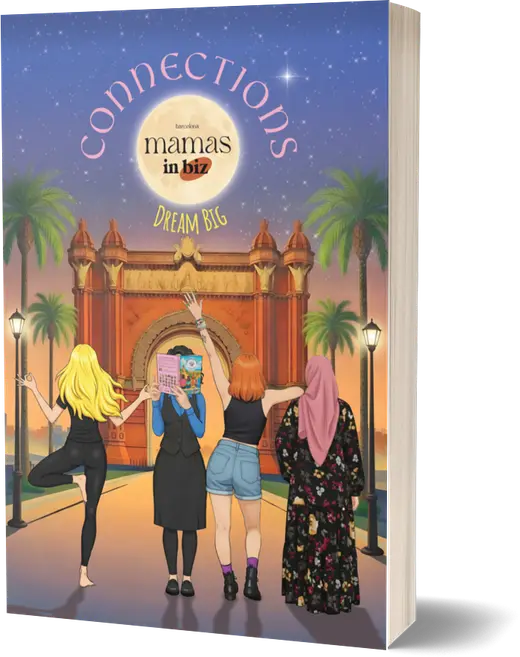
A specialist book can explore one concept deeply. An anthology is good at something else: showing how different people make sense of lives that do not follow one pattern. Connections: Dream Big brings together 22 chapter contributors from a Barcelona community built around the experiences of mothers who also have independent businesses and projects.
The book's public themes include motherhood, career and creative change, moving countries and finding people who understand. It is not a specialist matrescence textbook, and readers should not expect it to answer clinical questions. Its value is the opportunity to encounter real women whose identities cannot be reduced to a single role.
Reading together without pressure to share private details
A reading group might ask: What expectations does the writer challenge? Which aspects of becoming a mother are shaped by the community around her? Where does she make space for ambition, friendship and personal interests? How do different writers describe support? These questions work best when the group has read the actual chapters.
For a reader struggling with distress that is persistent or affecting daily life, a book may offer language and companionship but is not a substitute for personal support or appropriate medical advice. Matrescence is a way to understand transition; it should not be used to diagnose a health condition or dismiss someone's need for help.