
How to run a discussion about real lives
The best discussion questions are curious rather than corrective. They ask what a reader noticed and why, without assuming everybody has lived through the same experiences as the writer. That matters especially when discussing motherhood, immigration, grief, identity or difficult transitions.
Begin with a round in which everyone names one line or feeling that stayed with them. Move into two or three questions that allow disagreement. Close by inviting readers to take away one idea, not promising that the story will change their lives. If people in the group have lived through painful experiences, make it acceptable to pass on a question.
A 60-minute agenda that leaves room for everyone
First ten minutes: everyone names the chapter or opening that made them curious. Next twenty minutes: explore a turning point or a choice, asking how the narrator's circumstances shaped it. Next twenty minutes: compare two different voices, recognising what they share and where they do not. Final ten minutes: discuss what you would read next, or a question that you would like to ask the writer.
Do not turn a multi-author anthology into a contest over who had the hardest life. The more interesting discussion is what each person wants readers to understand. A facilitated book club can be a place for company, curiosity and different viewpoints without demanding that every participant reveal private details.
Use the anthology format to your advantage
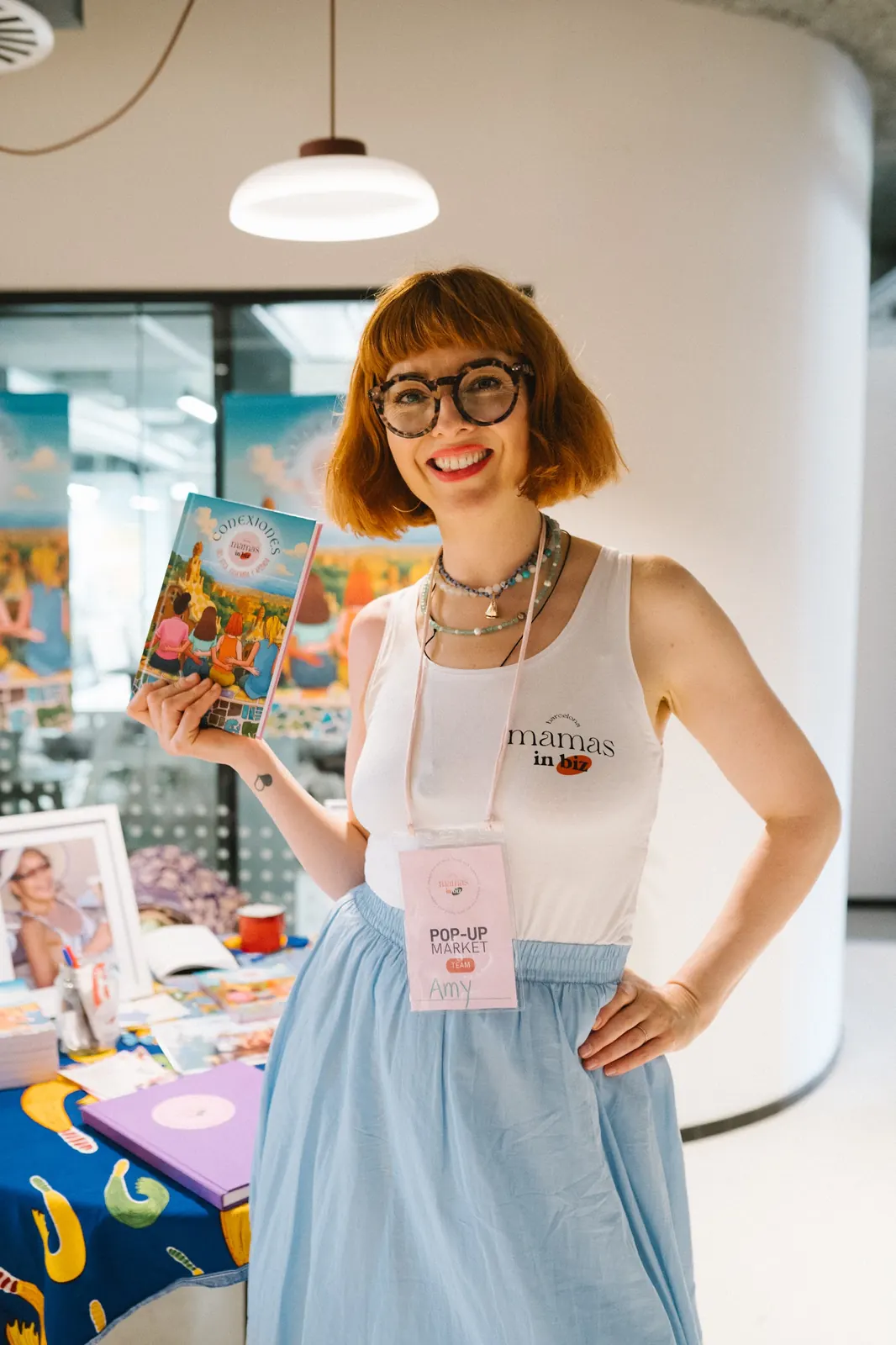
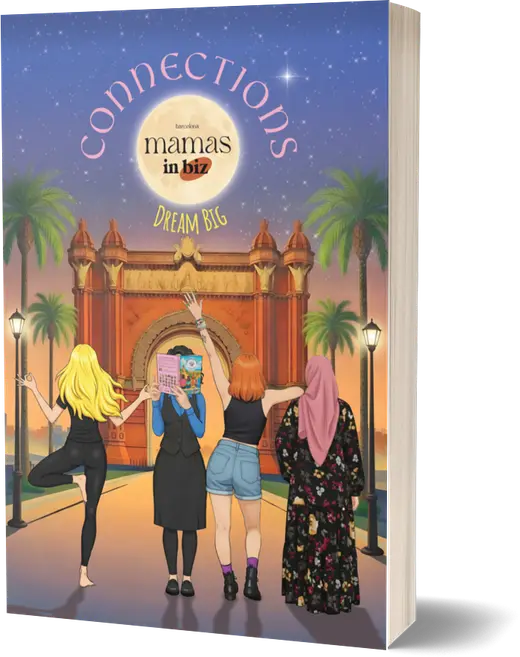
With Connections: Dream Big, readers can begin with a contributor whose public biography or chapter opening interests them. Someone who likes stories about reinvention may start with Hanna Barnhart or Suhasini Sharma; someone interested in motherhood and identity might choose Jazmín García de León or Amy Piumarta.
The questions below are prompts for a group that has read the actual chapters. They are not claimed to be the authors' intentions, and the site deliberately does not reproduce unpublished chapter passages. Use the prompts freely for other memoirs and true-story collections as well.