
Motherhood can add to an identity without replacing it
Many women recognise the strange contradiction of loving their children while missing parts of the life they used to know. Some seek books because they want language for that feeling; others want to read about how ambition, friendship and partnership change after becoming a parent. Neither interest needs to be treated as a failure of gratitude.
The language of matrescence can be useful here: it describes a transition in identity and experience, not a single tidy emotional stage. The most honest reading choices allow curiosity and affection to coexist with grief, frustration and a desire for more room in one's life.
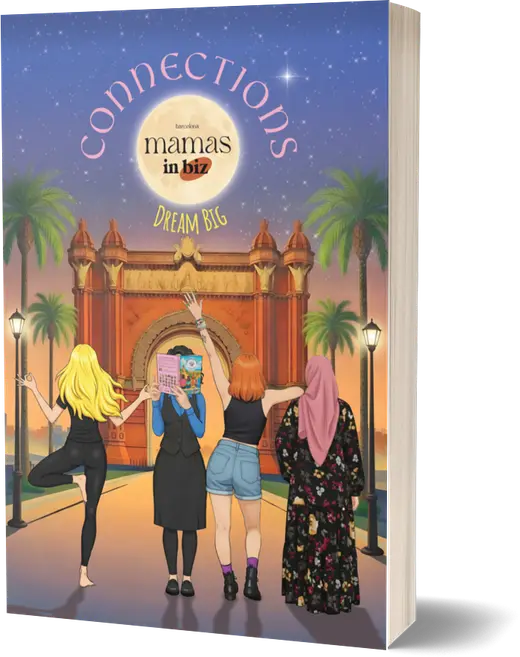
What do the Connections anthologies say about identity?
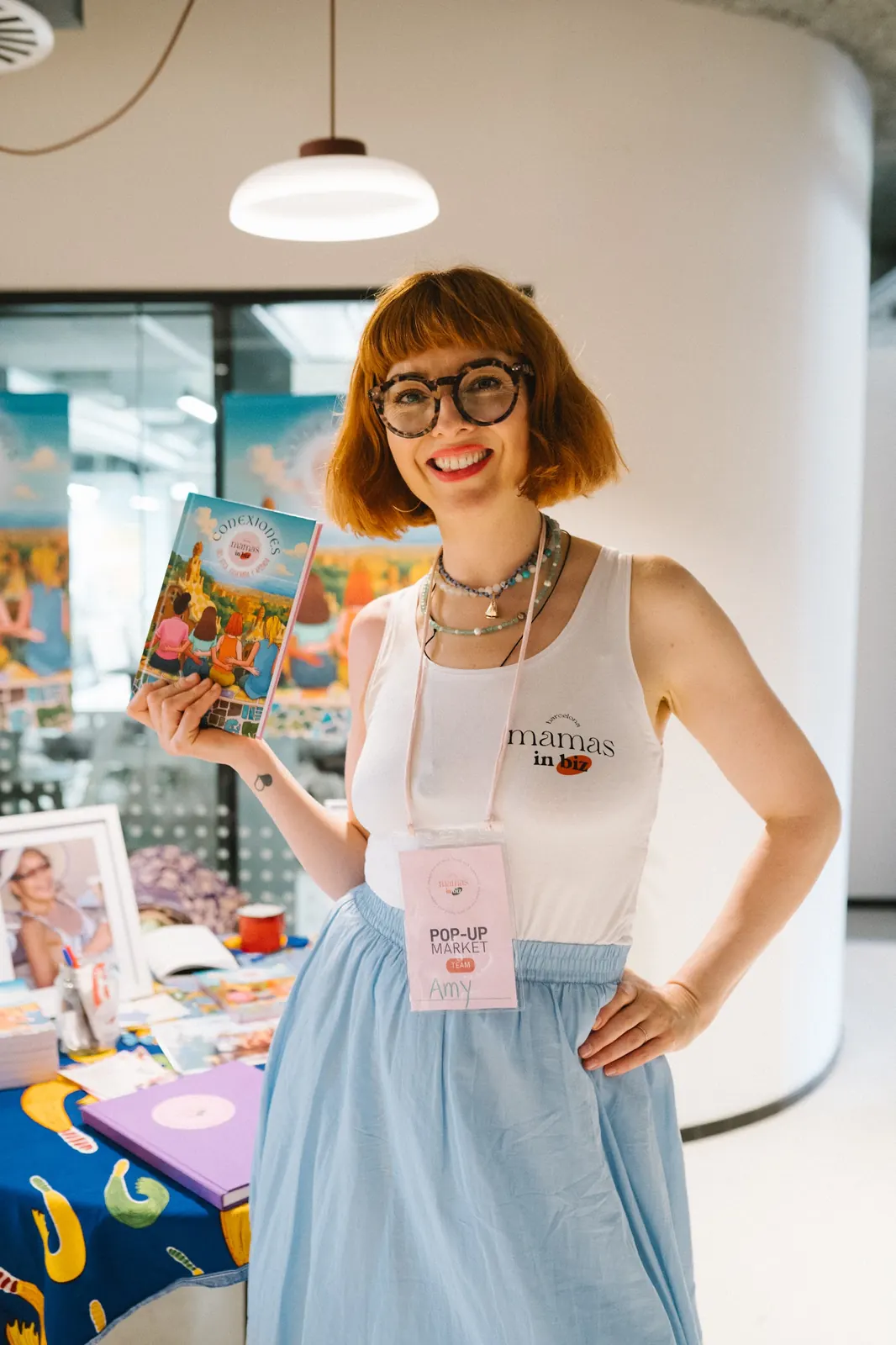
Seen, Heard and Supported grew from a community where women wanted to feel listened to and understood. Dream Big broadens the conversation through distinct perspectives on motherhood, work, belonging and new beginnings. Their chapters are personal accounts rather than general rules for parenting.
Where women’s own stories add something
A woman's professional biography may tell you where she works and what she has built, but it cannot describe everything important to her. The chapters and opening thoughts in Dream Big invite a different conversation about the choices and feelings outside professional labels. Some of those opening thoughts ask what motherhood changes about femininity, self-acceptance and finding a supportive place.
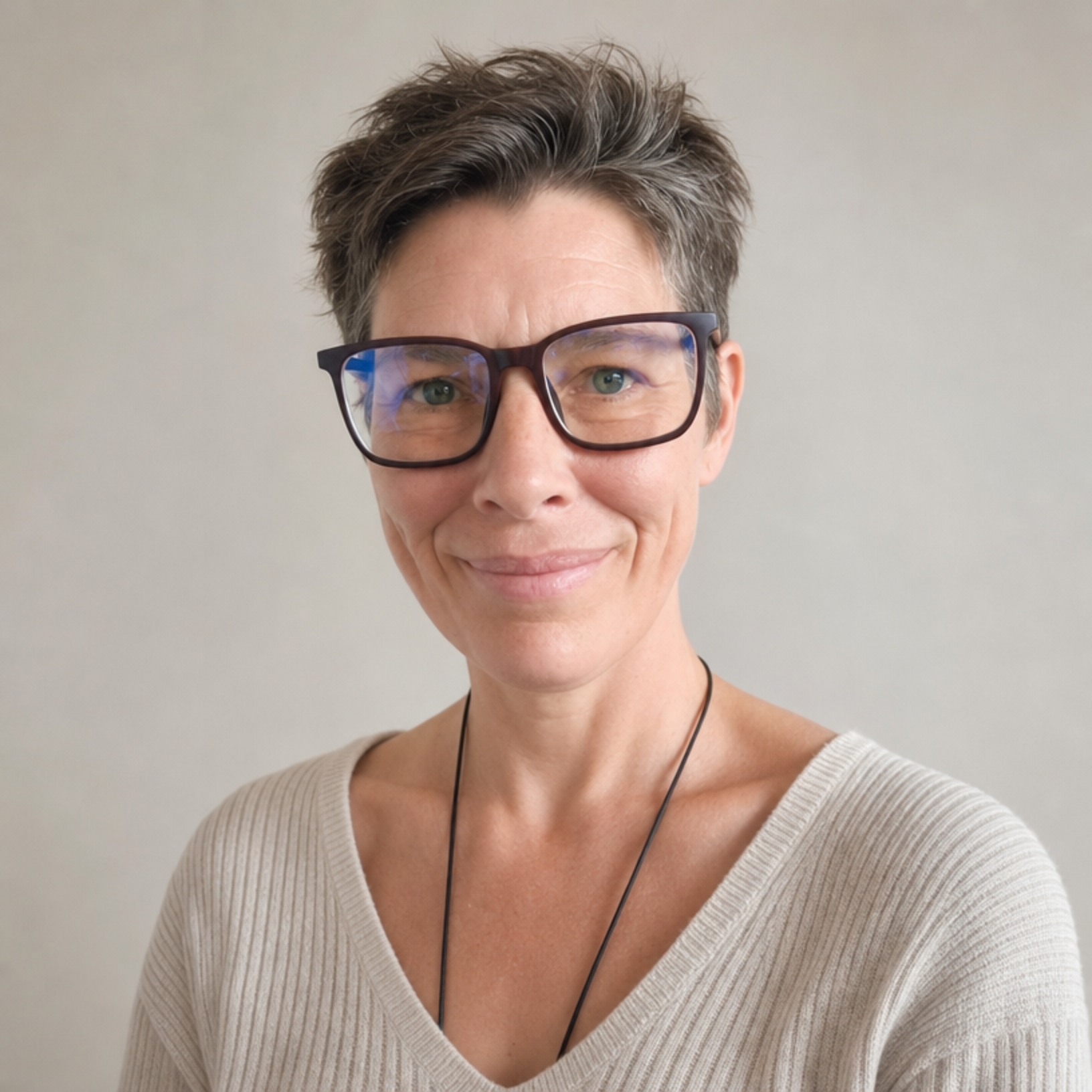
Start with a theme you recognise, then look up the contributor and her public work. You can read Jazmín García de León's professional reflections on matrescence or Amy Piumarta's account of building community, and then turn to the book for the story each chose to tell in her own words.